



SPRING CONDTITIONING
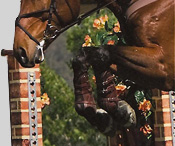















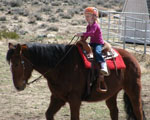
We had a taste of true cold this winter. As pipes thaw and ice recedes, we look forward to getting our horses out more regularly in the months ahead. Whether is it barrel or endurance racing, show jumping or trail riding, we all should put a little thought into preparation before asking our mounts to go out and take up where they left off in the fall.
Hoof Care First and foremost: feet! I see lots of frog erosion, low heels and long toes this time of year. Environmental cleanliness is a challenge during the winter, and many horses are standing in manure that goes through repetitive freeze/thaw cycles. When frozen, the footing can abrade and bruise soles. When the surface thaws, fecal bacteria seep into small defects on the sole and frog, where they become trapped and create the perfect setup for thrush or subsolar abscessation.
1) Now is the time to get those pens scraped out and dry.
2) Be sure your horse’s feet are properly trimmed and balanced by an experienced farrier before you start riding.
3) Get out your hoof pick and a wire brush and clean your horse’s feet daily. Clorox is a excellent disinfectant to use for thrush.
Body Conditon As you get your horse’s feet in shape, start grooming! Get that winter hair loose, check for any skin conditions and feel your horse’s back and barrel – is their body condition what you hope for? Many horses gain or lose unnoticed weight under winter hair coats and blankets. Your spring clinic appointment is a good time to ask Dr. Chrysann about your horse’s nutrition program.
Conditioning If you have never walked or run as a form of exercise, I suggest you start your horse’s first conditioning outings on foot! I do not intend to make marathon runners out of you all, but honestly, if you can walk 2 miles up and down hill through the desert with your horse you will be a healthier person, you will have the opportunity to develop your relationship with your horse on the ground, and you will begin to have just a hint of appreciation for the fitness of our athletic partners whether jumping that final fence, turning the last barrel or steer, finishing mile 50 or a perfect half pass, or a long day trail riding.
There are two keys to bringing your horse back from time off. The first is to recognize the importance of rest. For every serious exercise event, there is some associated stress and inflammation of skeletal tissues. Improved fitness results from adaptation to this stress. This takes time, and the time allowed between work sessions should be in proportion to the degree of exercise. The second key to spring conditioning is a gradual increase in work over time. For more on conditioning, follow HighDesertEquine on Facebook or at the Blog link on our website home page. There will be an upcoming series with specific recommendations for conditioning various types of sport horse.




PO BOX 60730
RENO NV 89506
EMERGENCY (775) 742-2823 OFFICE (775) 969-3495
FAX (775) 969-3923